 Hikeset Beta
⏰ May 5, 2026 Update: The Whitney Portal lottery acceptance deadline has passed (April 21). Unclaimed permits have been released to the cancellation pool. Walk-up permits and Inyo National Forest trailheads are now your best options for 2026. Skip to current options.
Last updated: May 5, 2026
Planning to hike the John Muir Trail in 2026? All major lottery windows have closed, but thousands of hikers still secure permits through walk-up windows, alternative trailheads, and shoulder season dates.
During peak season (mid-July through mid-August), approximately 70% of lottery applications are unsuccessful. But with the right strategy, you can still make your 2026 JMT hike happen.
Quick Navigation
- What You Can Still Do for 2026
- Section Hiking Strategy
- Permit System Overview (Donahue Pass, campsite rules, Whitney exit quota)
- Yosemite Southbound Permits
- Whitney Portal Northbound Permits
- Inyo National Forest Alternatives
- 2026 Permit Strategy Comparison
- Tips for Success
- Remaining Walk-up Dates
- Cost Breakdown
- Planning for 2027
What You Can Still Do for 2026
As of May 2026, here are your current options for hiking the JMT this year:
~~1. Accept Your Whitney Portal Permit~~ (Deadline Passed)
The Whitney Portal lottery acceptance deadline was April 21, 2026 at 9:00 PM PT. This deadline has passed, and unclaimed permits have been released to the cancellation pool. Check Recreation.gov for these released permits.
2. Yosemite Walk-up Permits (40% of Daily Quota)
Every day, 40% of Yosemite's wilderness permits are released exactly 7 days before the trip date at 7:00 AM PT on a first-come, first-served basis.
How it works:
- For a May 19 start, permits release May 12 at 7:00 AM PT
- For a June 1 start, permits release May 25 at 7:00 AM PT
- For a July 19 start, permits release July 12 at 7:00 AM PT
- For an August 1 start, permits release July 25 at 7:00 AM PT
Strategy: Have your Recreation.gov account logged in, payment information saved, and be ready at 6:59 AM PT. These sell out in minutes during peak season.
3. Inyo National Forest Trailheads (Best Remaining Option)
Alternative entry points through Inyo National Forest often have significantly better availability than Yosemite or Whitney Portal. Two reservation windows:
6-Month Window (60% of quota):
- Available now for May through November 2026 dates
- Released at 7:00 AM PT exactly 6 months before your trip date
- For example: November 1 permits become available May 1
2-Week Window (40% of quota):
- Available for trips starting in May and beyond
- Released at 7:00 AM PT exactly 2 weeks before your trip date
Popular alternative trailheads with good availability:
Southern Entry Points (access Section 7):
- Cottonwood Lakes - 60 total permits daily (36 + 24), joins JMT at mile 192 near Crabtree Meadow, excellent availability
- Cottonwood Pass - 40 total permits daily (24 + 16), joins JMT at mile 192, same area as Cottonwood Lakes
- Best for: Completing just Section 7 (Whitney summit) or southbound full trail
Mid-Trail Southern Entry (Section 6-7):
- Kearsarge Pass - Joins JMT at mile 168, accesses Section 6 (Glen Pass, Rae Lakes, Forester Pass) and Section 7
- Best for: Southern half hiking or bypassing crowded northern sections
Mid-Trail Northern Entry (Section 5-6):
- Bishop Pass - Joins JMT at mile 135, accesses Section 5 (Muir Pass), Section 6, and Section 7
- Piute Pass - Northern entry, accesses Section 5 and beyond, less crowded than Bishop Pass
- Best for: Beautiful alpine scenery, avoiding Yosemite permit lottery
Mid-Trail Western Entry (Section 3-4):
- Bear Creek - Joins JMT via Mono Creek at mile ~80, accesses Section 3 (Silver Pass), Section 4 (Evolution Valley), and beyond
- Best for: Middle sections, avoiding both Yosemite and Whitney Portal lotteries
⚠️ Reds Meadow Access Alert
Road construction at Reds Meadow continues through 2026. When the mandatory ESTA shuttle is operating (typically mid-June through Labor Day), private vehicles are not permitted. Check current road status before planning any Reds Meadow resupply stops.
4. Monitor Cancellations Daily
Check Recreation.gov at least twice daily (morning and evening) for canceled permits. Hikers release permits when plans change, creating last-minute opportunities. Set up saved searches for your target dates.
Automated Monitoring:
Services like PermitSnag and PermitScout check Recreation.gov every 2-5 minutes and send instant notifications when permits become available. These paid services ($10-30) significantly improve your chances compared to manual checking, especially for competitive dates.
Manual monitoring tip: Most cancellations appear at 7:00 AM and 7:00 PM PT when people's travel plans often change. Focus your checking on these times for best results.
5. Shoulder Season (September 15 - October 31)
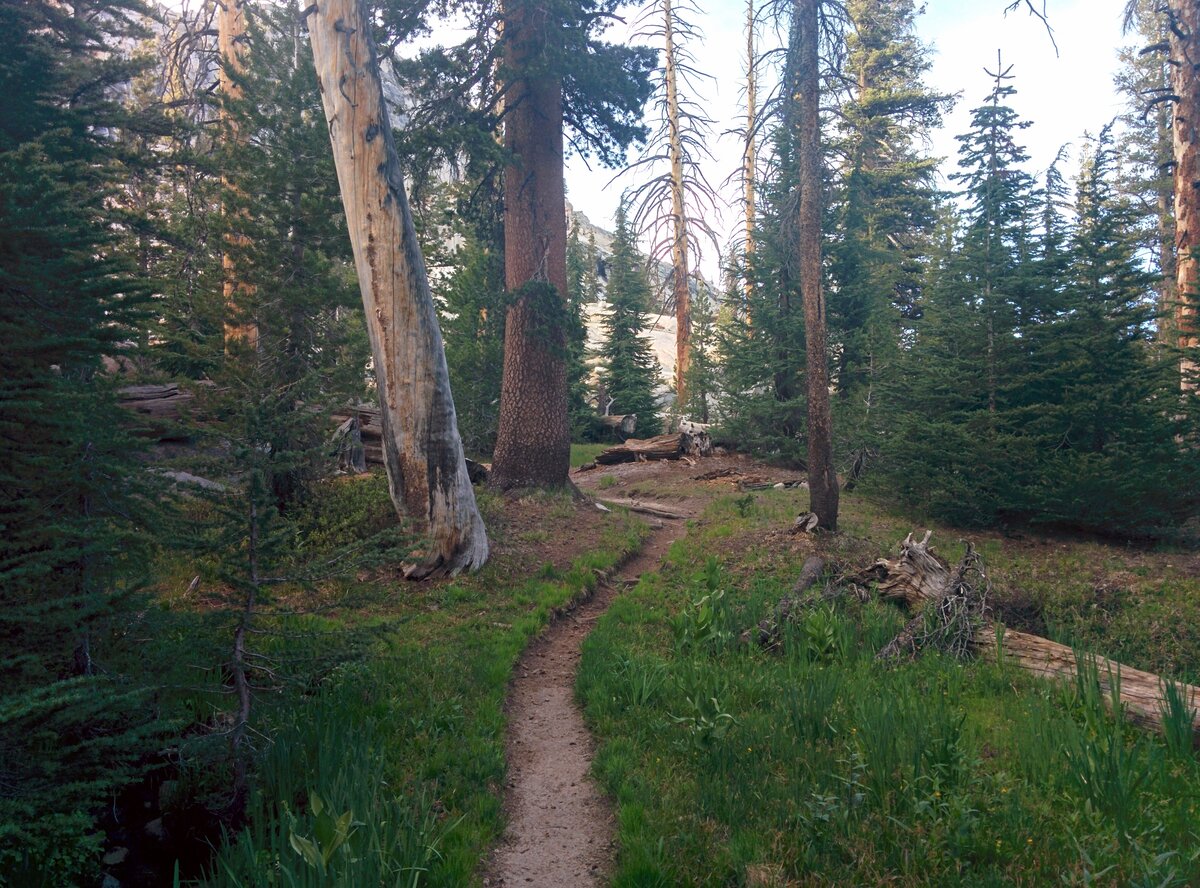 Peaceful trail conditions during shoulder season
The best-kept secret for 2026 JMT permits: shoulder season has excellent availability. September and early October offer:
- Better permit availability - Success rates above 60% for alternative trailheads
- Fewer crowds - Often have campsites to yourself
- Stable weather - September is historically one of the driest months
- Fall colors - Aspens turn gold in late September
What to know:
- Bring warmer gear (temps can drop to 20°F at night)
- Shorter daylight hours (plan for 10-11 hours vs 14 in July)
- Some high passes may have early snow after October 1
- Resupply options may be limited (some services close after Labor Day)
- Critical: Tioga Pass Road and Glacier Point Road typically close October 15. If hiking into October, arrange transportation out of Yosemite Valley before road closures or you may be stranded
Plan a shoulder season trip on Hikeset
6. Section Hiking Strategy: Complete the JMT Over Multiple Trips
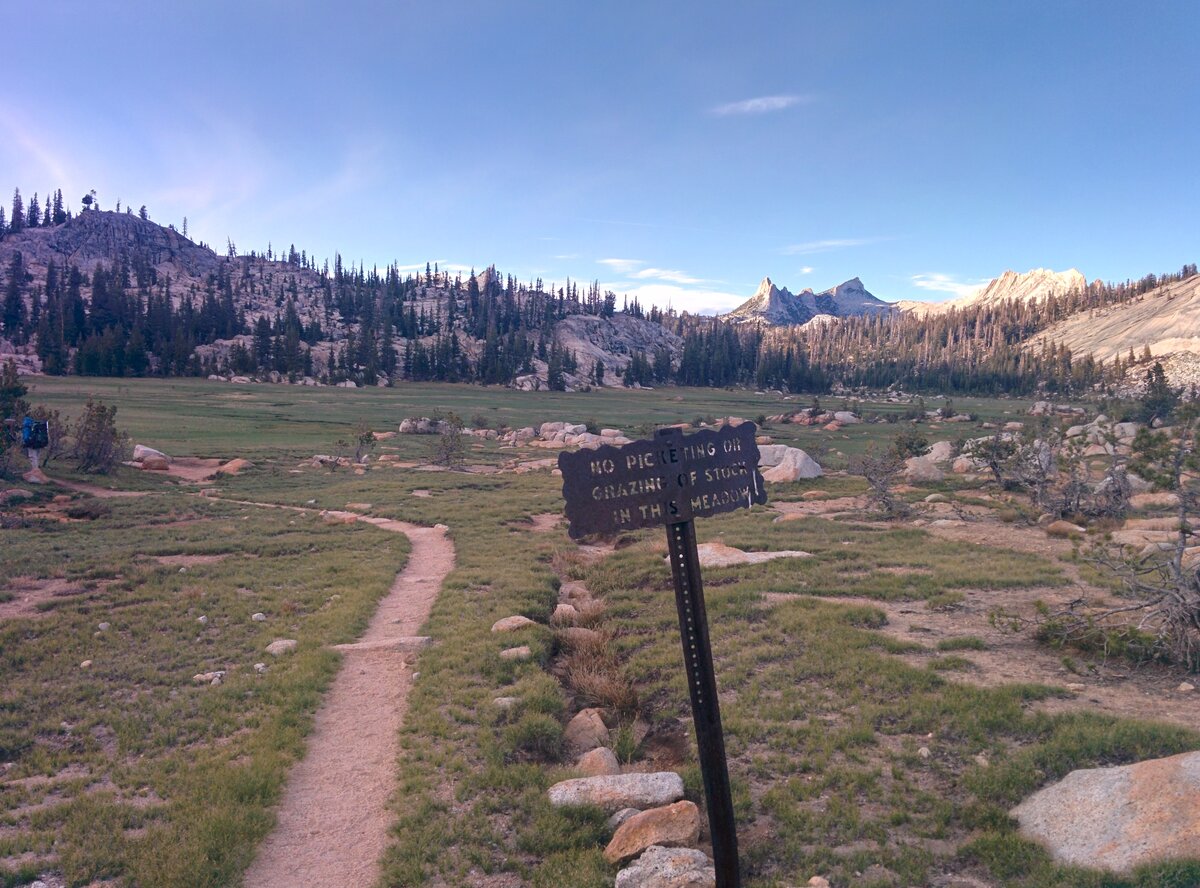 High alpine meadow along the John Muir Trail
Can't get permits for the full trail? The JMT divides naturally into 7 distinct sections, each accessible from multiple trailheads. Section hiking offers several advantages:
- Much easier permits - Alternative trailheads have significantly better availability
- Flexible scheduling - Complete the trail over multiple years or seasons
- Lower cost per trip - Reduced resupply costs and time off work
- Progressive skill building - Start with easier sections, work up to challenging ones
- Better bailout options - Multiple exit points if weather or conditions change
JMT Section Overview
The John Muir Trail officially consists of 7 sections totaling 211 miles:
- Yosemite Valley to Tuolumne Meadows (23.5 mi) - Classic Yosemite scenery, Nevada Fall, Half Dome junction
- Tuolumne Meadows to Reds Meadow (37.5 mi) - High alpine passes, Thousand Island Lake, stunning views
- Reds Meadow to Vermilion Valley Resort (28 mi) - Purple Lake, Silver Pass, less crowded
- Vermilion Valley Resort to Muir Trail Ranch (21 mi) - Evolution Valley, Evolution Lake, alpine beauty
- Muir Trail Ranch to Bishop Pass Junction (25 mi) - Muir Pass, Helen Lake, dramatic high country
- Bishop Pass to Kearsarge Pass Trail (33 mi) - Glen Pass, Rae Lakes, Forester Pass
- Kearsarge Pass Trail to Mt. Whitney (40.6 mi) - Guitar Lake, summit day, Trail Crest
Entry/Exit Trailhead Matrix
This table shows which sections you'll hike based on your entry and exit trailheads. Each cell indicates the section numbers you'll complete (e.g., "1-3" means sections 1, 2, and 3).
| Entry \ Exit | Happy Isles | Tuolumne Meadows | Reds Meadow | VVR | MTR | Bishop Pass | Kearsarge Pass | Whitney Portal |
|---|---|---|---|---|---|---|---|---|
| Happy Isles | — | §1 | §1-2 | §1-3 | §1-4 | §1-5 | §1-6 | §1-7 |
| Tuolumne Meadows | §1 | — | §2 | §2-3 | §2-4 | §2-5 | §2-6 | §2-7 |
| Reds Meadow | §1-2 | §2 | — | §3 | §3-4 | §3-5 | §3-6 | §3-7 |
| VVR | §1-3 | §2-3 | §3 | — | §4 | §4-5 | §4-6 | §4-7 |
| Muir Trail Ranch | §1-4 | §2-4 | §3-4 | §4 | — | §5 | §5-6 | §5-7 |
| Bishop Pass | §1-5 | §2-5 | §3-5 | §4-5 | §5 | — | §6 | §6-7 |
| Kearsarge Pass | §1-6 | §2-6 | §3-6 | §4-6 | §5-6 | §6 | — | §7 |
| Cottonwood Pass/Lakes | §1-7 | §2-7 | §3-7 | §4-7 | §5-7 | §6-7 | §7 | §7 |
| Whitney Portal | §1-7 | §2-7 | §3-7 | §4-7 | §5-7 | §6-7 | §7 | — |
How to use this table: Find your entry trailhead in the left column and your exit trailhead across the top. The cell shows which sections you'll complete. Click the section link to view detailed information, elevation profiles, campsites, and water sources on Hikeset.
Permit Strategies by Section Combination
Northern Sections (1-3): Yosemite to Reds Meadow
- Section 1: Yosemite Valley to Tuolumne Meadows - Classic Yosemite scenery (23.5 mi, 3-4 days)
- Section 2: Tuolumne Meadows to Reds Meadow - Island Pass, Garnet Lake (37.5 mi, 3-4 days)
- Permit options: Yosemite walk-up (very competitive), Tuolumne Meadows entry, Reds Meadow (check road status)
- Best for: First-time JMT section hikers, popular campsites
Middle Sections (3-5): Reds Meadow to Muir Trail Ranch
- Section 3: Reds Meadow to VVR - Purple Lake, Silver Pass (28 mi, 3 days)
- Section 4: VVR to Muir Trail Ranch - Evolution Valley, Evolution Lake (21 mi, 2-3 days)
- Section 5: MTR to Bishop Pass Junction - Muir Pass, Helen Lake (25 mi, 3 days)
- Permit options: Reds Meadow, Bear Creek, Piute Pass, Bishop Pass (better availability than Yosemite)
- Best for: Avoiding crowds, stunning high alpine scenery
Southern Sections (6-7): Kearsarge Pass to Whitney Portal
- Section 6: Bishop Pass to Kearsarge Pass Trail - Glen Pass, Rae Lakes, Forester Pass (33 mi, 3-4 days)
- Section 7: Kearsarge Pass Trail to Mt. Whitney - Guitar Lake, Trail Crest, summit (40.6 mi, 4-5 days)
- Permit options: Kearsarge Pass, Cottonwood Lakes, Cottonwood Pass (excellent availability), Whitney Portal
- Best for: Culminating with Mt. Whitney summit, fewer permit hassles
Popular Section Combinations
Two-Section Split:
- Northern Half: Yosemite Valley to VVR (89 mi, Sections 1-3, 7-9 days) + Southern Half: VVR to Whitney (122.6 mi, Sections 4-7, 10-12 days)
- Advantage: Natural resupply point at VVR, balanced difficulty
Three-Section Split:
- Trip 1: Yosemite to Reds Meadow (61 mi, Sections 1-2, 5-6 days)
- Trip 2: Reds Meadow to Bishop Pass (74 mi, Sections 3-5, 6-7 days)
- Trip 3: Bishop Pass to Whitney (73.6 mi, Sections 6-7, 6-8 days)
- Advantage: More manageable trips, easier time off work, progressive difficulty
Weekend Warriors:
- Section 1 or Section 4 - Perfect 3-4 day trips
- Advantage: Test gear and fitness before committing to longer sections
Understanding the JMT Permit System
 High country terrain characteristic of the JMT
The John Muir Trail crosses 211 miles of Sierra Nevada through multiple wilderness areas managed by different agencies. If the permit system feels confusing, you're not alone — it trips up nearly everyone the first time. Here's how it actually works.
You Only Need One Permit
One permit. One trailhead. That's it. Your wilderness permit is tied to where you start, and it covers your entire hike — through Yosemite, Inyo National Forest, Kings Canyon, Sequoia, and across every wilderness boundary in between. You don't need a new permit each night or each time you cross into a different jurisdiction.
Two things can restrict where your permit takes you:
- Donahue Pass (southbound only) — You need a specific "Donahue Pass eligible" permit to leave Yosemite heading south. More on this below.
- Whitney Portal exit — If you want to end your hike at Whitney Portal, Inyo permits require you to request a Whitney exit, which pulls from a smaller quota.
The "Golden Ticket": Donahue Pass Eligibility
If you're hiking southbound, this is the thing to understand.
The JMT leaves Yosemite over Donahue Pass. As the trail got more popular, JMT hikers started scooping up permits from every Yosemite trailhead — leaving fewer for people who just wanted to hike Yosemite. So the park added a gate: only two trailheads let you cross Donahue Pass heading south.
- Happy Isles → Past LYV — 20 permits per day
- Lyell Canyon — 25 permits per day
These 45 daily permits are the only way onto the JMT from Yosemite. That's why hikers call them "golden tickets." Every other Yosemite wilderness permit — Half Dome, Sunrise Lakes, Cathedral Lakes — lets you hike within the park, but you cannot continue south over Donahue Pass.
When you're browsing permits on Recreation.gov, look for "Donahue Pass eligible" in the description. If it's not there, that permit won't get you onto the JMT.
Heading northbound? No restriction. The Donahue rule only applies to southbound travel.
Your Campsite List: Don't Overthink It
The permit application asks you to list where you'll camp each night. For a 2-3 week hike, this feels like a lot of commitment. Here's what actually matters:
Your first night is the only one that counts. Each trailhead has rules about where you camp night one:
- Happy Isles: Camp beyond Little Yosemite Valley (past the backpackers' camp)
- Lyell Canyon: Camp at least 4 miles from the trailhead
After that first night, camp wherever you want — established sites, standard wilderness regs, 100 feet from water. Fill in the rest of the itinerary with your best guess. Plans change on trail, and rangers know that. They check first-night compliance; they don't track you against a nightly spreadsheet.
Whitney Portal Exit: The Quota You Might Not Expect
Starting from an Inyo trailhead (Cottonwood, Kearsarge, Bishop Pass)? The application asks whether you want to exit at Whitney Portal.
This matters because Whitney Portal exits have a separate, smaller quota — the summit gets crowded, and the Forest Service limits how many backpackers finish there each day. Saying "yes" to a Whitney exit means you're competing for fewer permits.
If you're flexible, there's a workaround: summit Whitney, then descend the backside to Crabtree Meadow and exit via Cottonwood Lakes instead. You get the summit without needing the Whitney Portal quota. More permits available, same view from the top.
Getting Your Permit in Hand
- Yosemite: Pick up your permit in person at the Wilderness Center, either the day before or the morning of your start. The center doesn't open at dawn, so plan accordingly if you want an early start.
- Inyo / Whitney Portal: Print at home or save a digital copy. No in-person pickup.
Carry your permit and photo ID on trail. Rangers check — especially at popular camps and trail junctions near Donahue Pass.
Resupply Stops Along the Way
Your permit covers brief exits from the wilderness to resupply at Reds Meadow, Vermilion Valley Resort, or Muir Trail Ranch. You can leave the trail, grab your resupply bucket, and re-enter at the same point. See our JMT Resupply Guide for mailing addresses, hold fees, and bucket rules at each location.
What you can't do: get in a vehicle. Hitching a ride to town effectively ends your trip as far as the permit goes. Crossing a road on foot (like Tioga Road) is fine. The boat rides to VVR and Muir Trail Ranch count as trail access, not vehicle travel.
Two Main Permit Strategies
Most hikers start with one of two approaches:
Southbound (Yosemite)
Start: Happy Isles, Yosemite Valley
End: Mount Whitney
System: Rolling weekly lottery
Most Popular: Traditional direction
Northbound (Whitney Portal)
Start: Whitney Portal
End: Yosemite Valley
System: Annual lottery
Advantage: Single application window
Yosemite Southbound Permits
The Yosemite Wilderness permit system operates on a rolling weekly lottery, meaning you can apply for permits that become available 24 weeks (168 days) in advance. As of May 5, 2026, the lottery is accepting applications for late September and early October 2026 start dates. This gives you multiple chances throughout the season but requires careful planning.
How the Rolling Lottery Works
- Application Window Opens: Every Sunday at 12:01 AM PT, permits for dates 24 weeks in the future become available
- Application Period: Sunday through the following Saturday at 11:59 PM PT
- Results Announced: Two days later (the following Monday)
- Award Window: Winners must accept within the specified timeframe
Permit Allocation
Daily Quota: 45 total permits
- 20 permits - Happy Isles ("Past LYV" trailhead)
- 25 permits - Lyell Canyon trailhead
These 45 permits are distributed as:
- 60% via lottery (27 permits): Awarded through the weekly lottery system described above
- 40% walk-up (18 permits): Released online at Recreation.gov exactly 7 days before the trip date at 7:00 AM PT on a first-come, first-served basis
Success Rates:
- July-August peak season: ~30% lottery success rate
- Mid-September onward: 50%+ success rate
- Peak single-date applications: ~3% success rate (extremely competitive)
Pro Tip: Set Multiple Alarms
For the walk-up permits released at 7:00 AM PT, you'll be competing with hundreds of other hikers. Peak season permits (July-August) sell out in 2-3 minutes. Have your Recreation.gov account logged in, payment information saved, and be ready to click "Reserve" the moment permits drop at exactly 7:00 AM PT.
Costs
- Lottery application fee: $10 (non-refundable, per application)
- Permit fee if successful: $5 per person
Whitney Portal Northbound Permits
Starting from Whitney Portal and hiking northbound offers a different permit strategy with a single annual lottery. The 2026 Whitney Portal lottery is complete — all deadlines have passed as of April 21, 2026. Unclaimed permits have been released to the cancellation pool on Recreation.gov.
2026 Annual Lottery Timeline (Completed)
| Date | Event | Status |
|---|---|---|
| February 1, 2026 | Application period opened | Complete |
| March 1, 2026 | Application period closed (11:59 PM PT) | Complete |
| March 15, 2026 | Results announced via email | Complete |
| April 21, 2026 | Acceptance deadline (9:00 PM PT) | Complete |
Coverage Period
The Whitney Portal annual lottery covers all trips between May 1 and November 1, 2026. In your application, you can specify your preferred date range and the lottery system will attempt to match you with available permits.
Costs
- Lottery application fee: $6 (non-refundable, per application)
- Permit fee if awarded: $15 per person
Strategy Tip: Monitor Whitney Cancellations
The 2026 Whitney Portal lottery is closed, but unclaimed and canceled permits appear on Recreation.gov throughout the season. Check regularly — especially in May and June when hikers finalize summer plans and release permits they can't use.
Inyo National Forest Alternatives
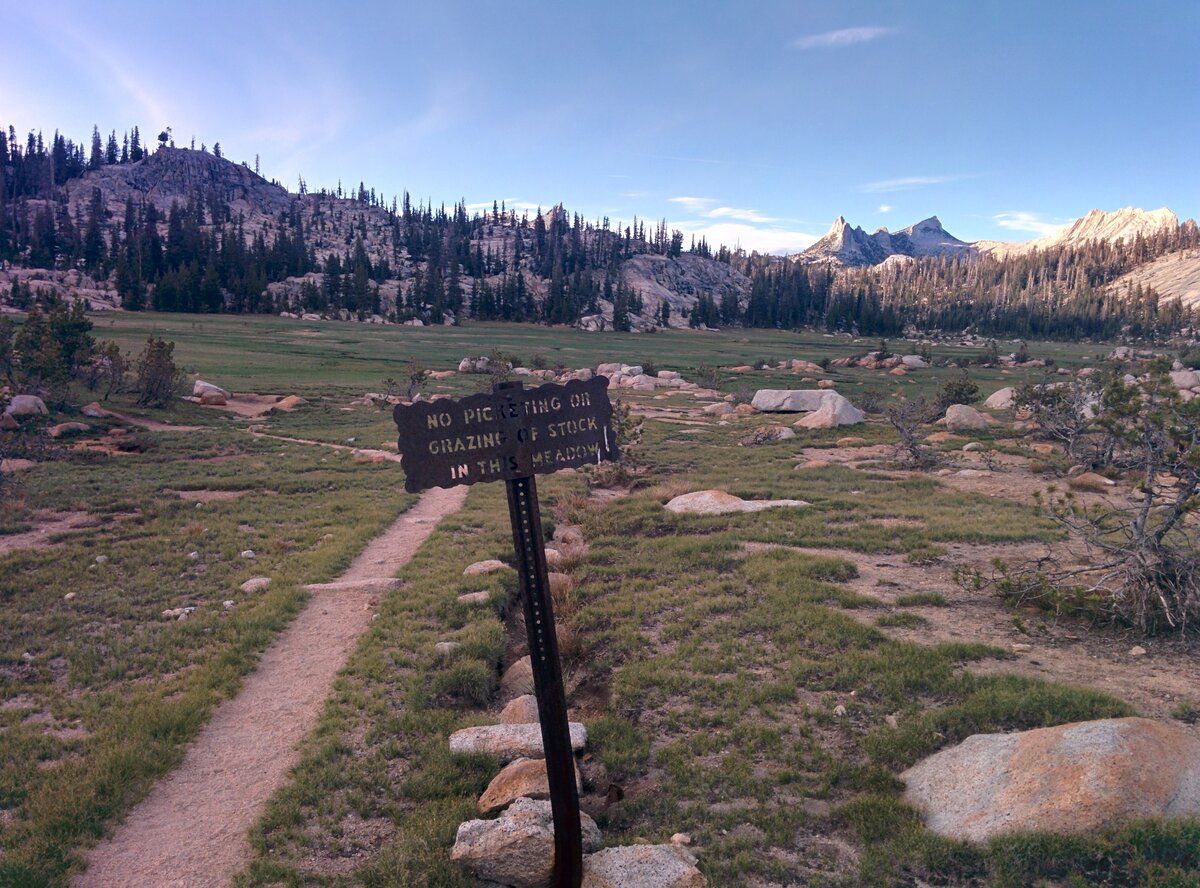 Stunning high country scenery accessible from Inyo National Forest trailheads
Don't overlook alternative entry points! The Inyo National Forest manages several trailheads that provide access to the JMT through the John Muir Wilderness. These trailheads often have better permit availability than the popular Yosemite and Whitney Portal entries.
Reservation Windows
Primary Window (60% of daily quota):
- Available 6 months in advance
- Released at 7:00 AM PT
Secondary Window (40% of daily quota):
- Available 2 weeks prior
- Released at 7:00 AM PT
Popular Alternative Trailheads
Cottonwood Lakes (accesses Section 7)
- 36 permits (6-month window) + 24 permits (2-week window)
- Quota season: April 15 - November 1
- Southern entry, joins JMT at mile 192 near Crabtree Meadow
- Perfect for: Just hiking Section 7 to summit Whitney, or starting a full southbound JMT
Cottonwood Pass (accesses Section 7)
- 24 permits (6-month window) + 16 permits (2-week window)
- Quota season: April 15 - November 1
- Same area as Cottonwood Lakes, joins JMT at mile 192
- Perfect for: Same as Cottonwood Lakes, alternative if Lakes permits are full
Kearsarge Pass (accesses Sections 6-7)
- Mid-trail access, joins JMT at mile 168 near Glen Pass
- Popular alternative with good availability
- Quota season: May 1 - November 1
- Perfect for: Hiking Section 6 (Rae Lakes, Forester Pass) and Section 7, or accessing southern half
Bishop Pass (accesses Sections 5-7)
- Joins JMT at mile 135 at Bishop Pass Junction
- Beautiful alpine scenery, good availability
- Quota season: May 1 - November 1
- Perfect for: Section 5 (Muir Pass, Helen Lake) through Section 7, avoiding Yosemite lottery
Piute Pass (accesses Sections 5-7)
- Northern entry, joins JMT near Section 5
- Less crowded than Bishop Pass, excellent availability
- Quota season: May 1 - November 1
- Perfect for: Same coverage as Bishop Pass with fewer crowds
Bear Creek (accesses Sections 3-7)
- Mid-trail entry via Mono Creek, joins JMT at mile ~80
- Quota season: May 1 - November 1
- Perfect for: Hiking Section 3 (Silver Pass) through Section 7, avoiding both major lotteries
Note: Quota seasons vary by trailhead. April entries available only for Cottonwood trailheads. Click section links to view detailed maps, elevation profiles, campsites, and water sources on Hikeset.
2026 Permit Strategies Comparison
Here's how the remaining 2026 permit options compare:
| Strategy | Effort Level | Success Rate | Best For | Next Action |
|---|---|---|---|---|
| Whitney Portal Acceptance | — | — | — | Deadline passed (April 21) |
| Yosemite Walk-up | High (7am sharp) | Low-Medium (20-30%, ~3% peak dates) | Flexible solo/pairs | Set alarms 7 days before target |
| Inyo 6-Month Window | Low | High (60-75%, 75%+ for Cottonwood) | Late summer/fall hikers | Reserve now for Oct-Nov 2026 dates |
| Inyo 2-Week Window | Medium | Medium (40-50%) | Last-minute trips | Check daily for May-June 2026 dates |
| Cancellation Monitoring | Very High | Low (10-15%, better with paid services) | Determined, flexible hikers | Consider PermitSnag/PermitScout |
| Shoulder Season | Low | High (65-80%, 75%+ Cottonwood) | Experienced cold-weather hikers | Target Sept 15 - Oct 15 |
| Section Hiking | Medium | High (varies by section) | Building experience | Break JMT into 2-3 trips |
Solo/Pair Advantage: Walk-up permits and cancellations are much easier to secure for 1-2 people vs larger groups.
Group Tip: If you're organizing a group, Inyo National Forest trailheads (especially Cottonwood Pass and Kearsarge Pass) have higher success rates for groups of 4-8 people.
Tips for Maximizing Your Permit Success
1. Be Flexible with Dates
The more flexible you can be, the better your chances. Consider:
- Weekday starts instead of weekends
- Shoulder season (late September - early October) for fewer crowds and better availability
- Multiple entry points in your application
2. Apply Early and Often
For the Yosemite rolling lottery, don't just apply once. Each week brings new opportunities 24 weeks out. Set calendar reminders for every Sunday to check for your target dates.
3. Have a Backup Plan
Even with perfect planning, you might not get your first choice. Consider:
- Alternative trailheads (Inyo National Forest options)
- Shorter JMT sections instead of the full trail
- Other Sierra Nevada trails (Pacific Crest Trail sections, High Sierra Trail)
4. Monitor Cancellations
Check Recreation.gov regularly for canceled permits. Some hikers release their permits when plans change, creating last-minute opportunities.
5. Consider Smaller Group Sizes
Permits are easier to obtain for solo hikers or pairs compared to large groups. The larger your group, the more limited your options become.
6. Understand Group Size Limits
Maximum group size is 15 people across all JMT trailheads. Groups larger than 15 must split into separate parties with separate permits, starting on different days or from different trailheads. Smaller groups (1-4 people) have significantly better permit availability than larger groups.
Remaining 2026 Walk-up Dates
Here are upcoming walk-up permit release dates for the rest of the 2026 season. Permits release exactly 7 days before the trip date at 7:00 AM PT:
| Target Trip Date | Walk-up Release | Competition Level |
|---|---|---|
| May 12, 2026 | May 5 (7:00 AM PT) | Early season - Good availability |
| May 19, 2026 | May 12 (7:00 AM PT) | Early season - Good availability |
| June 1, 2026 | May 25 (7:00 AM PT) | Early season - Usually available 15-30 min |
| June 15, 2026 | June 8 (7:00 AM PT) | Early-mid season - Sells out in 10-15 minutes |
| July 1, 2026 | June 24 (7:00 AM PT) | Peak season - Sells out in 3-5 minutes |
| July 19, 2026 | July 12 (7:00 AM PT) | Peak season - Sells out in 2-3 minutes |
| July 26, 2026 | July 19 (7:00 AM PT) | Peak season - Sells out in 2-3 minutes |
| August 1, 2026 | July 25 (7:00 AM PT) | Peak season - Sells out in 2-3 minutes |
| August 8, 2026 | August 1 (7:00 AM PT) | Peak season - Sells out in 3-5 minutes |
| August 15, 2026 | August 8 (7:00 AM PT) | Peak season - Sells out in 3-5 minutes |
| August 22, 2026 | August 15 (7:00 AM PT) | Late summer - Sells out in 5-8 minutes |
| September 1, 2026 | August 25 (7:00 AM PT) | Late summer - Sells out in 8-12 minutes |
| September 15, 2026 | September 8 (7:00 AM PT) | Shoulder season - May last 15-30 minutes |
| October 1, 2026 | September 24 (7:00 AM PT) | Shoulder season - May last 30-60 minutes |
| October 15, 2026 | October 8 (7:00 AM PT) | Late season - Usually available several hours |
Remember: All times are Pacific Time (PT). Set multiple alarms. Have your Recreation.gov account logged in with payment information saved before 7:00 AM. Peak season permits disappear in under 5 minutes - you must be ready the moment they drop.
Pro Tip: Weekday starts (Tuesday-Thursday) have slightly better availability than weekend starts. Solo hikers and pairs have significantly better odds than larger groups.
Whitney Portal Annual Lottery (Completed)
- February 1: Application period opened ✓
- March 1: Application period closed ✓
- March 15: Results announced via email ✓
- April 21, 9:00 PM PT: Acceptance deadline ✓
Complete Cost Breakdown
| Permit Type | Application/Reservation Fee | Permit Fee (if successful) | Total Cost (solo) | Total Cost (2 people) |
|---|---|---|---|---|
| Yosemite Southbound | $10 (non-refundable, lottery only) | $5 per person | $15 | $20 |
| Whitney Portal Northbound | $6 (non-refundable, lottery only) | $15 per person | $21 | $36 |
| Inyo National Forest | $6 reservation fee | $5-15 per person (varies by trailhead) | $11-21 | $16-36 |
Note: Application fees for lotteries (Yosemite, Whitney Portal) are non-refundable even if you don't receive a permit. Inyo National Forest charges a $6 reservation fee when you successfully reserve a permit (no lottery application fee). Budget for multiple applications if you're applying to different lotteries or dates.
Final Thoughts
All major lottery windows have closed, but thousands of permits are still available through walk-ups, alternative trailheads, and shoulder season dates. With the right strategy and flexibility, you can still make your JMT hike happen this year.
Key Takeaways for 2026
- Set alarms for walk-up permits releasing 7 days before your target date at 7am PT
- Reserve Inyo National Forest permits now for September-November 2026 dates
- Check Recreation.gov twice daily for cancellations
- Consider shoulder season (September 15 - October 15) for excellent availability
- Solo and pairs have better odds than larger groups for last-minute permits
Start Planning for 2027
If 2026 doesn't work out, you can get ahead for 2027. The first lottery applications open February 1, 2027 for Whitney Portal. We've created a complete 2027 JMT permit guide based on what thousands of hikers learned this year, including:
- Complete 2027 lottery timeline and key dates
- Permit strategy recommendations by hiker type
- What we learned from 2026 success rates
- Comparison tables for all permit options
- Step-by-step application walkthroughs
Read the 2027 JMT Permit Guide
Essential Links
- Recreation.gov - Main reservation portal
- Yosemite Wilderness Permits
- Whitney Portal Lottery
- Inyo National Forest Permits
Thousands of hikers secure permits mid-season every year. With flexibility and the right approach, you can join them on the trail this summer or fall.
See the Trail Before You Apply
Not sure which section or entry point to choose? Explore the full JMT on an interactive map — campsites, water sources, resupply stops, elevation profiles, and a day-by-day mileage estimator. No account needed.
Or Browse by Section
Each section page has its own map, campsites, and trip estimator — useful for picking the permit that matches the scenery you want:
Section 1: Yosemite Valley to Tuolumne Meadows — 23.5 mi
Section 2: Tuolumne Meadows to Reds Meadow — 37.5 mi
Section 3: Reds Meadow to VVR — 28 mi
Section 4: VVR to Muir Trail Ranch — 21 mi
Section 5: MTR to Bishop Pass Junction — 25 mi
Information compiled from Recreation.gov, National Park Service, and USDA Forest Service sources. Permit policies and procedures are subject to change. Always verify current information on official websites before planning your trip.